

Coaching vs Therapy: Which is Right for You?
This guide explores the difference between coaching vs therapy so you can choose the support that’s most aligned with where you are in your personal growth journey.
Having support can be an invaluable part of any personal growth journey, whether it’s from loved ones, professional(s), or both. When it comes to seeking professional guidance, I’ve come across many people who either feel overwhelmed by the number of options, or confused about which one would be most helpful for them.
While there are many avenues you can explore, such as mentorship, spiritual advisors, or specialized consultants (e.g., wellness professionals like personal trainers or nutritionists, career counselors, or financial advisors), this guide focuses on the most commonly used supports: therapists and coaches.
I’ve worked professionally in both capacities, and I’ve received support from each one in my own personal journey, so I understand there can definitely be some overlaps (especially if they are each addressing any areas of your life that are impacting your mental health). However, they’re actually two distinctly different tools that can help in different ways depending on the type of support you’re needing.
The Main Difference Between Coaching and Therapy
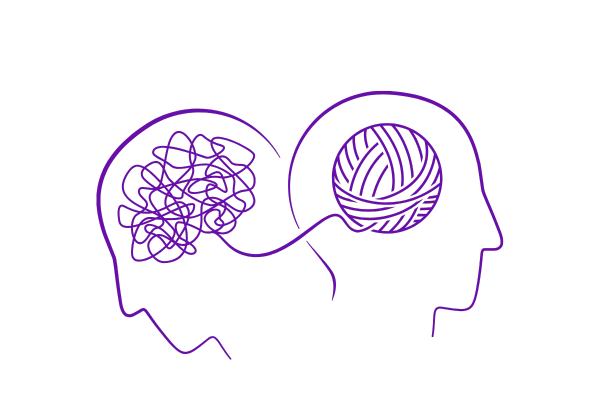
Therapy is a healing process that takes you from a place of suffering to stability.
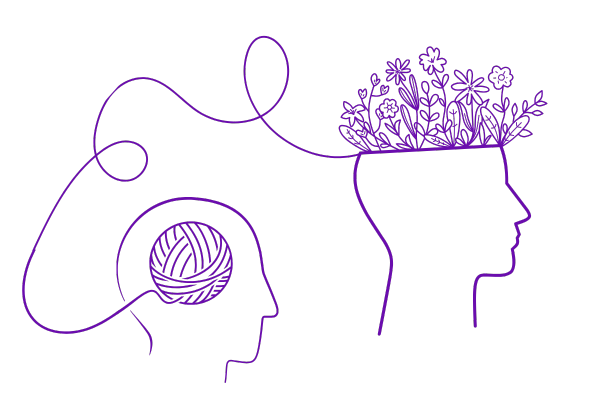
Coaching builds on that stability, expands your growth, and supports you in creating the life you truly want.
What Exactly is Therapy?
Therapy is the treatment of any mental health area(s) that may not be functioning optimally and has become a hindrance in your daily life and/or relationships (Mayo Clinic).
Therapy addresses mental health symptoms related to thinking, mood, behavior, trauma, unexpected life events, and childhood or earlier life experiences. It generally focuses on healing from underlying issues that are contributing to your current struggles.
Therapy can support you in understanding, addressing, working through, and coping with the root causes of how you got to where you are, and what patterns may be stopping you from living the life you desire.
What Areas are Ideal for Therapy?
- Anxiety
- Depression
- Trauma recovery
- Grief
- Addictions
- Relational conflict/attachment-related issues
- Managing chronic stress
- Self-esteem
What is Coaching?
When people ask me, “what is coaching?” they’re often surprised to learn it’s not just about motivation or performance. Coaching is a strategy-based, action-oriented, and goal-directed approach to addressing any problematic area of your life or anything you’re wanting to develop or change (not just mental health exclusively).
While coaching sessions can pose questions that may guide you in further self-exploration of how you got to where you are (and as a coach, I may sometimes naturally use the knowledge I gained as a therapist to conceptualize what you’re going through and share insights to support you), the focus is more on what’s happening now, and supporting you in making specific changes that will bridge the gap between where you are and where you want to be.
What is Coaching Best For?
- Shifting your mindset
- Building confidence
- Identifying and pursuing career and/or education goals
- Breaking unhealthy or unwanted habits
- Deepening emotional regulation through practices such as meditation and breathwork
- Enhancing motivation, physical health/nutrition, fitness
- Effective communication and boundary setting
- Executive functioning challenges (a set of mental skills that can be challenging for those like myself with ADHD, including working memory, attention, emotional regulation, decision making, organization, understanding different points of view, following through on goals, and self-control).
How Mindfulness Coaching Can Help You Grow
If you’re leaning toward coaching and want a personalized, mindfulness-based approach, I’d love to help!
My coaching style integrates mindfulness in a variety of ways, including meditation, breathwork, and actionable strategies to shift out of the patterns and habits that are no longer serving you. I specialize in helping people reconnect with themselves in the present moment to create space for insight, emotional balance, and intentional action.
While I bring a therapeutic background and an in-depth understanding of mental health and the mind-body connection, coaching with me is not therapy. It’s grounded support rooted in presence and intentionality, not urgency or crisis management. Together, we’ll explore the obstacles that may be getting in the way of living your best life, strengthen your personal growth toolbox, and shift the patterns that no longer serve you, one moment at a time.
You have the power to change your life in the ways you’re seeking, and I’m here to help you do that.
How to Choose the Best Fit for Your Needs
If you’re still feeling conflicted between coaching vs therapy, or unsure which one would be most aligned with your goals and needs, here are some reflection questions to help guide your decision:
- Are you experiencing emotional or mental health symptoms (like anxiety, depression, trauma, or overwhelming stress) that are impacting your daily life or relationships? Try starting with therapy.
- Are you wanting to understand and work through past experiences, patterns, or root causes that are contributing to your current struggles? Therapy would likely be the better fit for you.
- Are you generally feeling “ok” in life, but want to grow, improve, or make changes in areas like mindset, habits, confidence, relational health, or motivation? Coaching can help you with these areas.
- Do you need structured support in identifying goals and taking action toward creating the future you envision? Coaching would probably best fit your needs.
- Do you feel emotionally stable for the most part, but sometimes struggle with reactivity or feel like there’s deeper work you’d like to explore through somatic practices like meditation and breathwork? You might benefit from a combined approach.
- Are you drawn to both a healing-centered process, and also goal oriented, action focused support? Try both and see what resonates.
Still Not Sure How Coaching Can Help You?
If you have additional questions about the difference between coaching and therapy, how coaching can help you, or you’re still not sure what feels best for you, let’s talk it through!
Book a free call and I’ll guide you toward the support that best fits your current needs.