

Mindfulness Exercises for Workplace Wellness
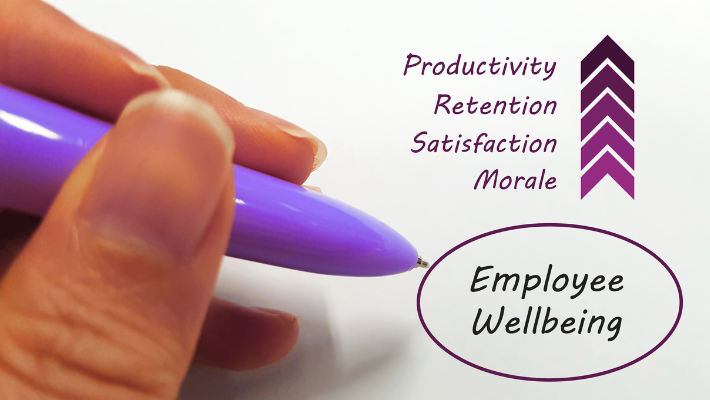
Mindfulness is a powerful tool for employee stress reduction, communication, and preventing burnout at work. These quick mindfulness exercises for workplaces can help your team feel more present, connected, and emotionally resilient, even during highly stressful days.
Why Mindfulness in the Workplace Matters
In today’s fast paced, demanding work environments, stress and overwhelm can chip away at productivity, focus, and teamwork. Mindfulness exercises for work settings offer practical, accessible ways to slow down, pause, reset, and work with intention.
When teams engage in regular mindfulness activities, they often experience:
- Reduced stress
- Stronger team communication and connection
- Greater focus, motivation, and productivity
- Early prevention of burnout and emotional exhaustion
With that in mind, here are five simple but powerful mindfulness exercises for work you can start using today to reduce stress and prevent burnout.
Mindful Breathing Practice
Best for:
Employee stress reduction, resetting and grounding during chaotic or overwhelming moments.
How to do it:
- Set a timer for 3 minutes
- Sitting comfortably, start noticing your breath and how it feels moving in and out of your body
- Then try to make each breath a little slower, longer, and deeper than the last. Focus on releasing as much air as you can with each exhale.
- When the timer goes off, allow your breath to return to normal
When to use it:
Try this exercise before meetings or stressful tasks to reduce reactivity and help your team immerse themselves into the present moment.
The STOP Technique
Best for:
Managing tension in conversations, emails, or disagreements with colleagues.
How to do it:
- Stop what you’re doing.
- Take a slow, mindful breath.
- Observe your emotions and thoughts with curiosity.
- Proceed with intentional action.
When to use it:
Use this when you feel emotionally triggered in workplace interactions to respond with calmness and professionalism.
Gratitude Attitude
Best for:
It’s easy to get stuck focusing on the negative in work settings, especially when there’s stress or conflict. Gratitude helps teams feel seen and valued, leading to improved productivity, efficiency and loyalty (Frontiers in Psychology). Use this exercise to strengthen work relationships and teamwork.
How to do it:
- In meetings, ask: “What’s one thing you appreciate about the colleague sitting next to you?” (For virtual meetings, you can invite team members to name someone on the call or in the team chat.)
- Go around the room (or those attending the virtual meeting), and ensure every person has an opportunity to share.
When to use it:
Use this exercise to begin or close out meetings, especially when you notice conflict, disagreements, or relational tension may be impacting your team.
Body Scan to Prevent Burnout at Work
Best for:
Helpers, caregivers, and anyone who may be neglecting their own emotional needs. It’s easy to focus on the people you serve, but I invite you to use this practice to help your staff slow down and check in with how they’re feeling, offering them space to relax into the moment.
How to do it:
- Set a timer for 5 minutes
- Guide your team to slow down and turn their focus inward, offering care and compassion to themselves for their efforts and contributions
- Encourage staff to slowly scan their body from head to toe, noticing any areas of tension or discomfort, and allowing any sensations or emotions to be present with as little judgment as possible
- Breathe into any sensations that are needing the most attention
When to use it:
You can use this to close out meetings, as a mid-week practice, or encourage staff practice regularly on their own to reconnect with their body. Practicing tuning in with the body regularly can help staff notice early signs of emotional exhaustion to prevent burnout at work.
Mindful Listening
Best for:
Building emotional intelligence and empathy, and reducing misunderstandings.
How to do it:
- Divide your team into pairs
- Set a timer for about 2-5 minutes for Person A to talk while Person B mindfully listens
- Offer a couple of minutes for Person B to reflect back what they heard to Person A
- Set the timer again and swap roles
- Go around the room (or those attending the virtual meeting), and ensure every person has an opportunity to share.
When to use it:
Use this exercise during staff meetings or mediation of conflict/disagreements.
Bring Burnout Breakrooms to Your Workplace for More Support
If you’re looking for a stress management program that goes beyond these quick exercises, I developed the Burnout Breakrooms program for organizations in Richmond, VA and nearby areas.
These in-person groups include practical stress management and mindfulness strategies that allow staff to recharge when feeling burned out. You can expect:
- Improvements in employee mental health and emotional resilience
- Better communication, teamwork, and collaboration
- Increased empathy, and self-awareness
- Reduced burnout and turnover, and improved focus and productivity